Swank Educational Streaming
An America 250 Library · For Every Grade

Teaching America 250 with
Swank Educational
Streaming
.

Swank Educational Streaming is the licensed video library trusted by thousands of districts across the country. The library is built around the idea of intentional video. Teacher-selected. Curriculum-aligned. Licensed for the classroom.

July 4, 2026 marks two hundred fifty years since thirteen colonies declared themselves a country. This page is a resource for schools to help plan what that anniversary could look like in their schools. Below you'll find four strategies for teaching the 250th with short scenes and moments, and four thematic chapters showing how those strategies play out at every grade level.

How to use this catalog

Enhance America 250 with intentional video.

Four ways to use film and video to teach America 250. The chapters that follow show what each looks like in practice.
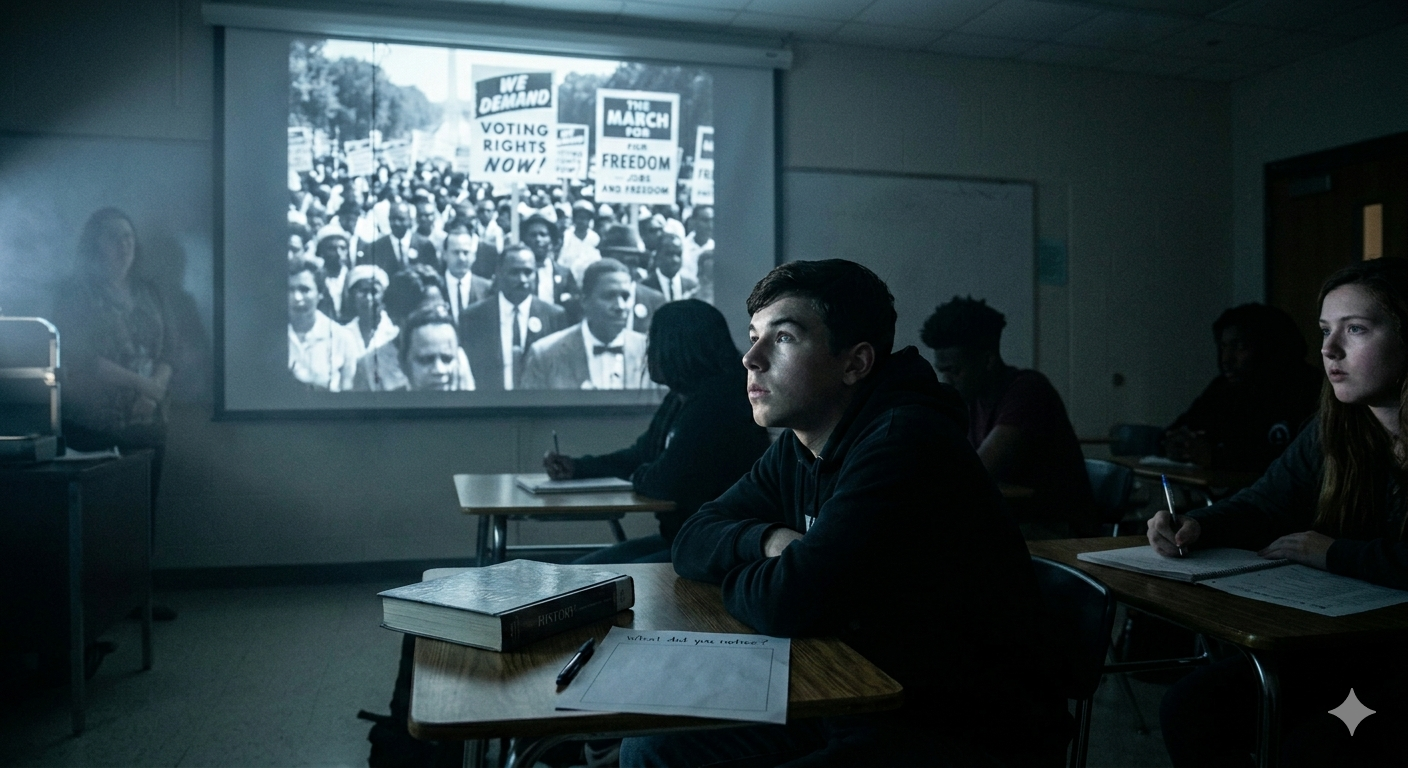
Students watching civil rights protest footage projected in a darkened classroom
01

Open with the footage. Not the chapter.

Open the Revolution unit with a four-minute scene from 1776. Open the Civil Rights chapter with three minutes of Edmund Pettus Bridge footage. Show one, then put the question on the board: what would you have signed; what do we owe the people we just watched. The activity: three-minute free-write, then open the textbook. The chapter starts with a question, not a paragraph.
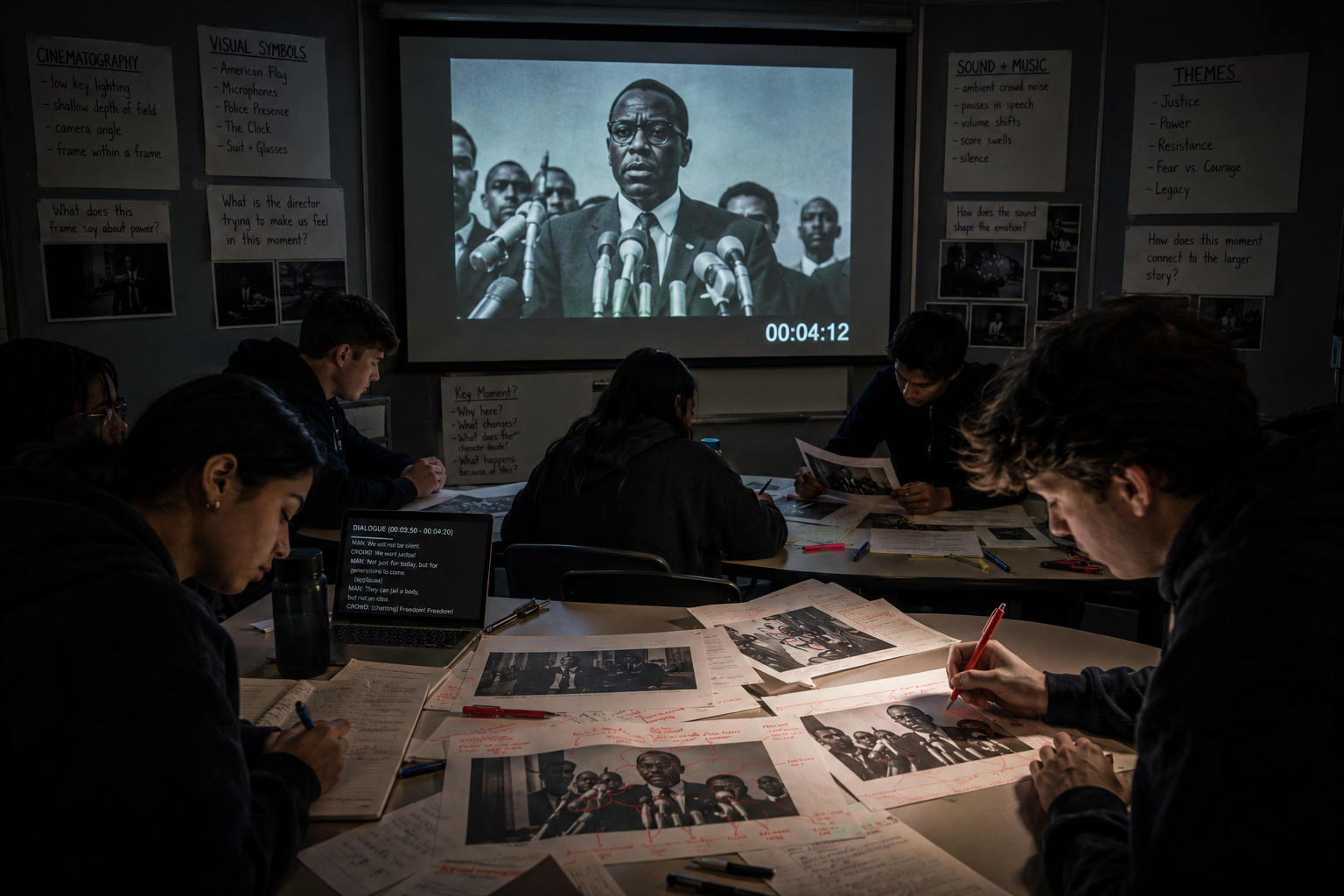
Students comparing source materials at a study table while a film of a historical leader plays on screen
02

Two films. Same event.

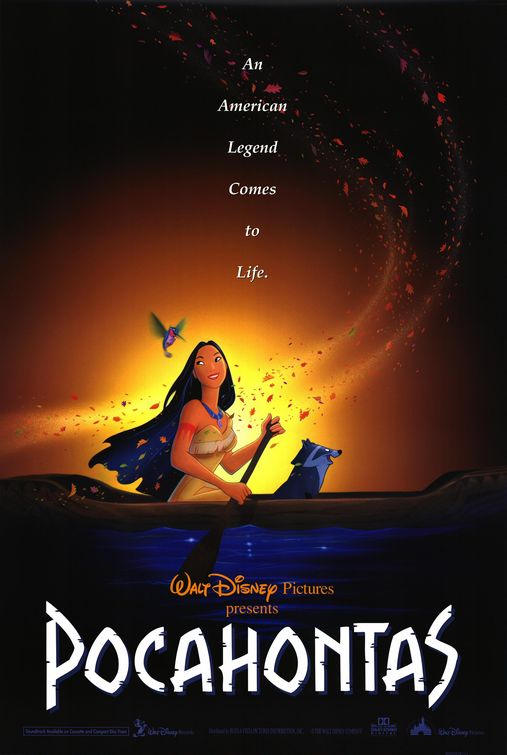
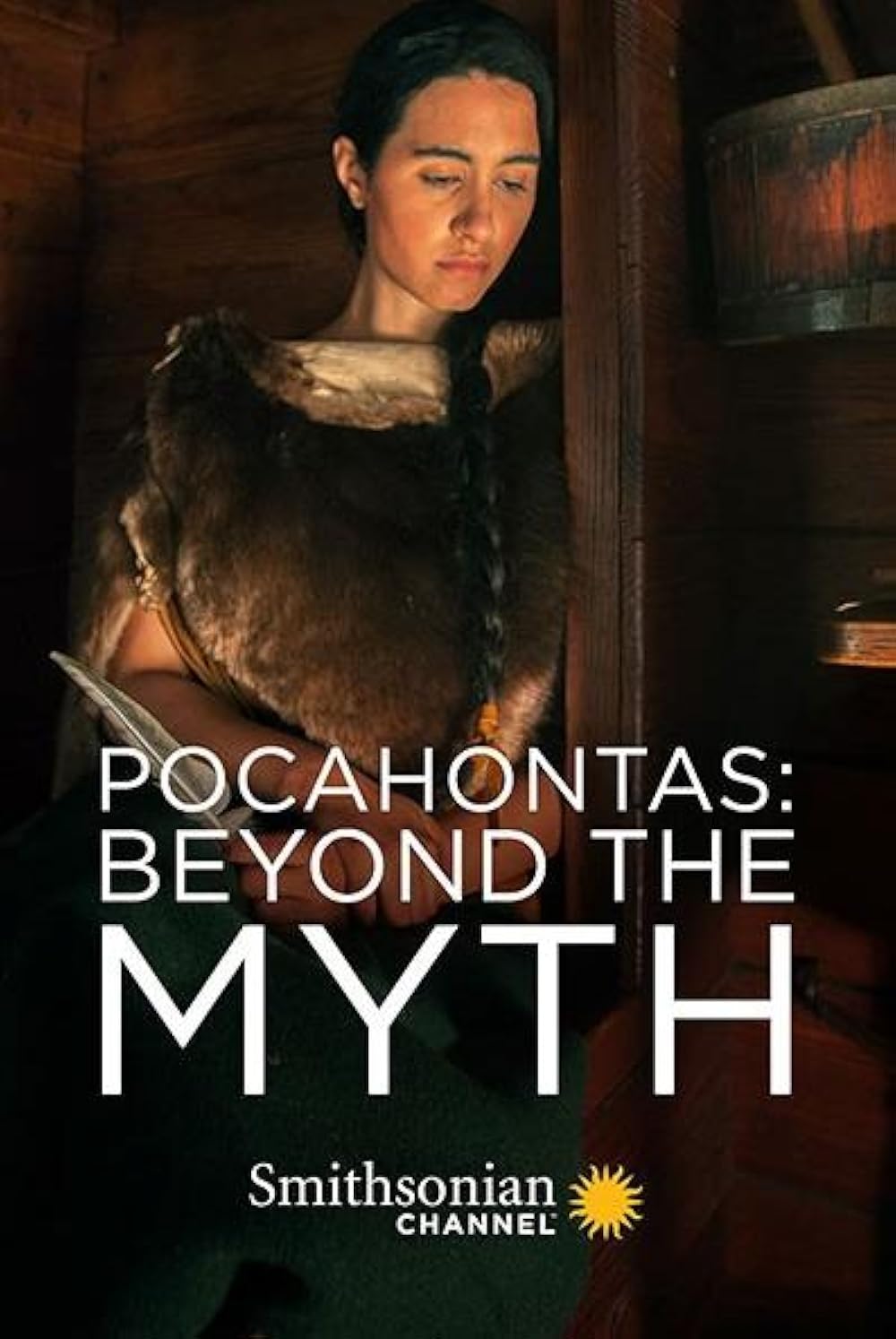
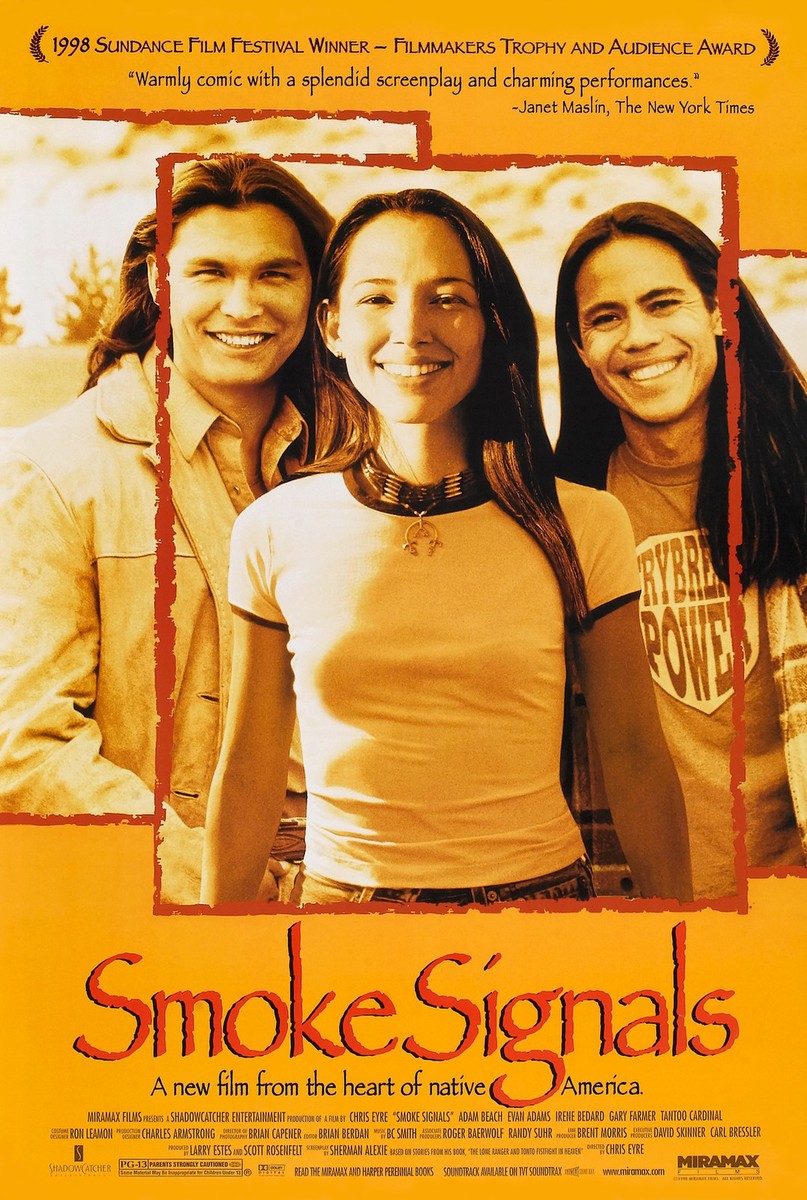
Show short scenes from two different films covering the same event. A scene from Disney's Pocahontas next to one from Smithsonian's Pocahontas: Beyond the Myth. A scene from 1776 next to one from Hamilton. A scene from Dances With Wolves next to one from Smoke Signals. The teaching is the gap between them: what one version centers, what the other corrects. The activity: students chart the differences in a T-chart, debate which version they trust, defend the choice in writing.
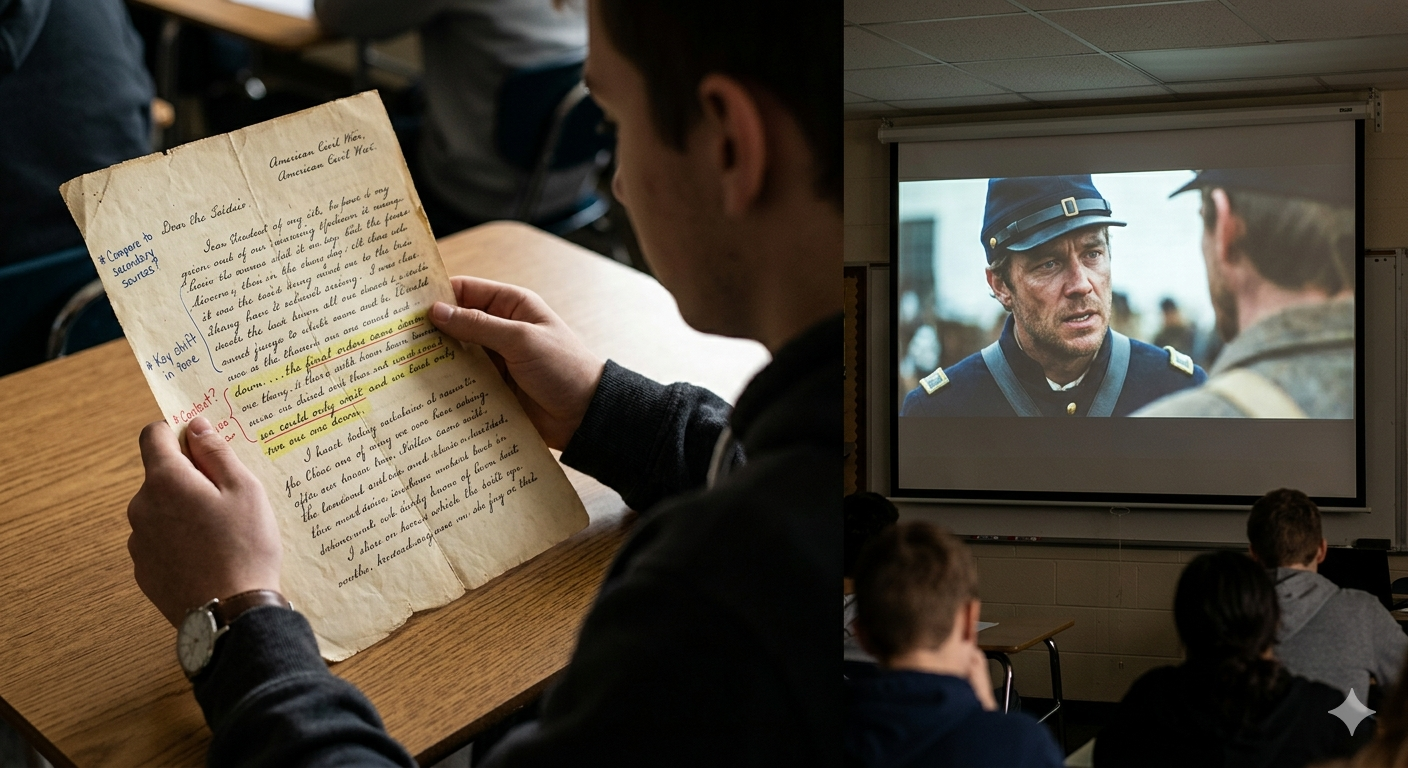
A student studies a primary source document while a film plays in the background
03

Pair film with primary text.

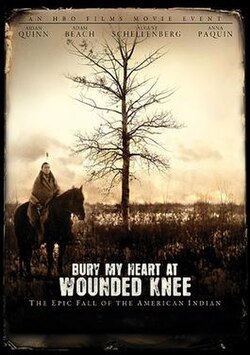
Read the Declaration, then watch the drafting scene from 1776. Read a Douglass speech, then watch the actor deliver it. Read the Indian Removal Act, then watch the opening of Bury My Heart at Wounded Knee. The activity: students annotate text and film side by side, marking what the film emphasized, cut, or added.
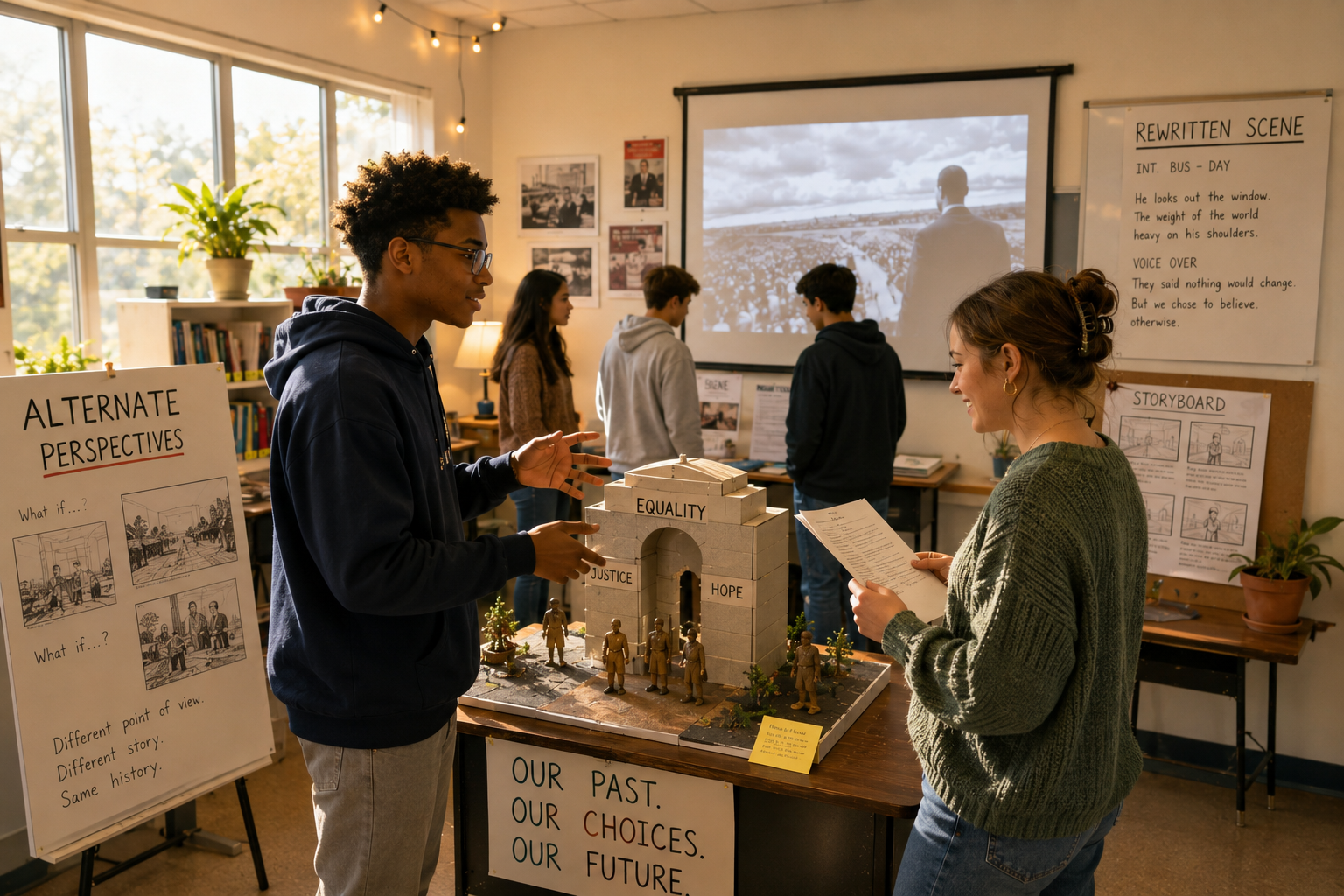
Students presenting a hand-built equality monument alongside a rewritten-scene exhibit and storyboard
04

Close on something students made.

Have students make something with their hands that traces back to a specific moment from the film. A newspaper front page reporting the events from one scene. A monument redesigned for the figure they just saw on screen. The same scene rewritten from another character's point of view. The activity: gallery walk through the artifacts, then a one-paragraph reflection on a peer's choice and the moment it came from.
I

how it began.

The Founding

Two hundred fifty years ago, an idea got bigger than its empire. Thirteen colonies became a country. A document tried, and didn't quite manage, to live up to its own promises. We keep telling the story because we keep finding more of it.

K-5

where the country starts

Turn the Revolution into something five-year-olds can know. Faces where the textbook puts names. Songs where it puts dates. Adventure where it puts a chapter. The country becomes people kids will remember in tenth grade.

Johnny Tremain
National Treasure
Schoolhouse Rock!
6-8

the story complicates

Bring middle schoolers into the founders' room. The Continental Congress becomes a contested argument between imperfect men. The names on the document become personalities. Students watch the founding argue with itself instead of reading the version that won.
1776
Sons of Liberty
America's Hidden Stories
9-12

the Founding in full color

Put the founding in argument, not summary. High schoolers wrestle with the same compromises the founders did, and the ones they left for the next generation to solve. The founders stop being marble busts and start being people students take a position on.

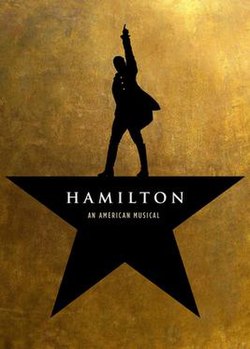
Hamilton
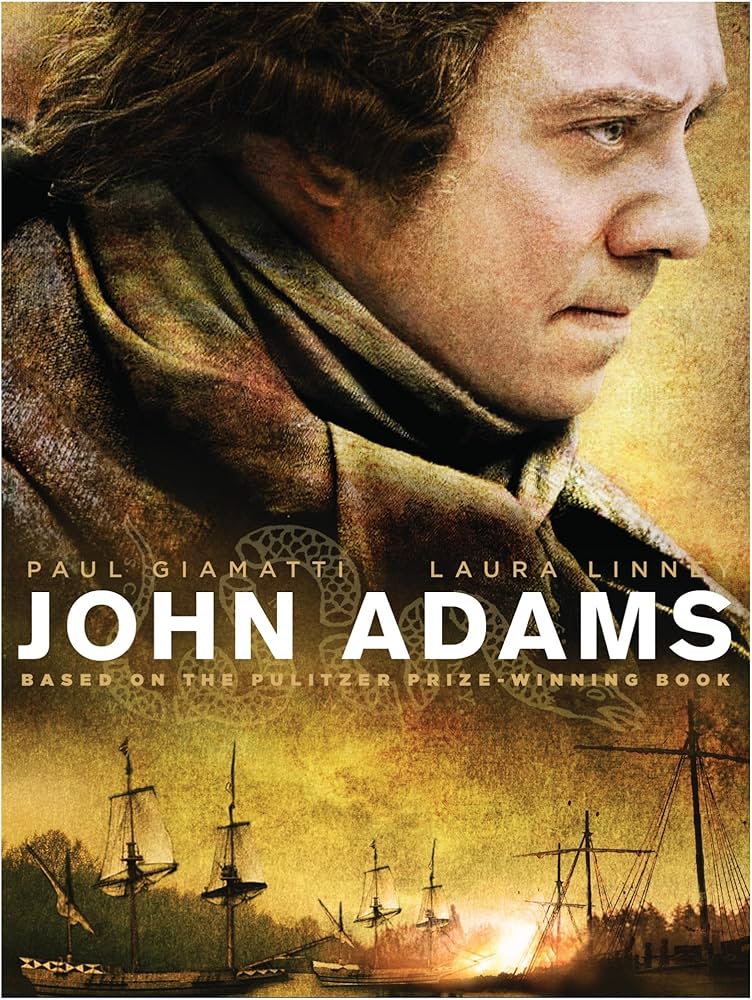
John Adams
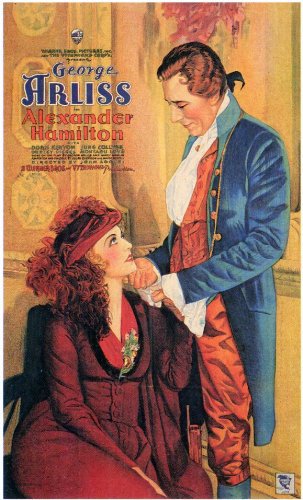
Alexander Hamilton
Lesson idea · Grade 9-12 · Hamilton
Hamilton

Rhetorical analysis through historical argument.

Use the Cabinet Battle #1 scene from Hamilton to teach early American political compromise. Pause after the battle and identify the policy at stake (federal assumption of state debt), the rhetorical strategies in play (ethos, pathos, logos), and the compromise that broke the deadlock. The activity: each student researches a present-day political deadlock, identifies the positions, the rhetoric, and a possible compromise. Students leave with a working framework for how American political compromise has always functioned.

II

what we kept reaching for.

Innovators & the Stars

From a workshop in Menlo Park to a launchpad in Florida, America has been a country of reaching. For light. For the moon. For the next idea. Films and series about the people who built what we have.

K-5

the spark of an idea

Turn invention into wonder. Five-year-olds meet inventors before they were legends and watch the next generation of astronauts step into the work. A picture book lists names; these put faces, workshops, and excitable kids behind them.
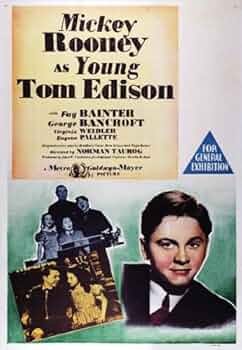
Young Tom Edison
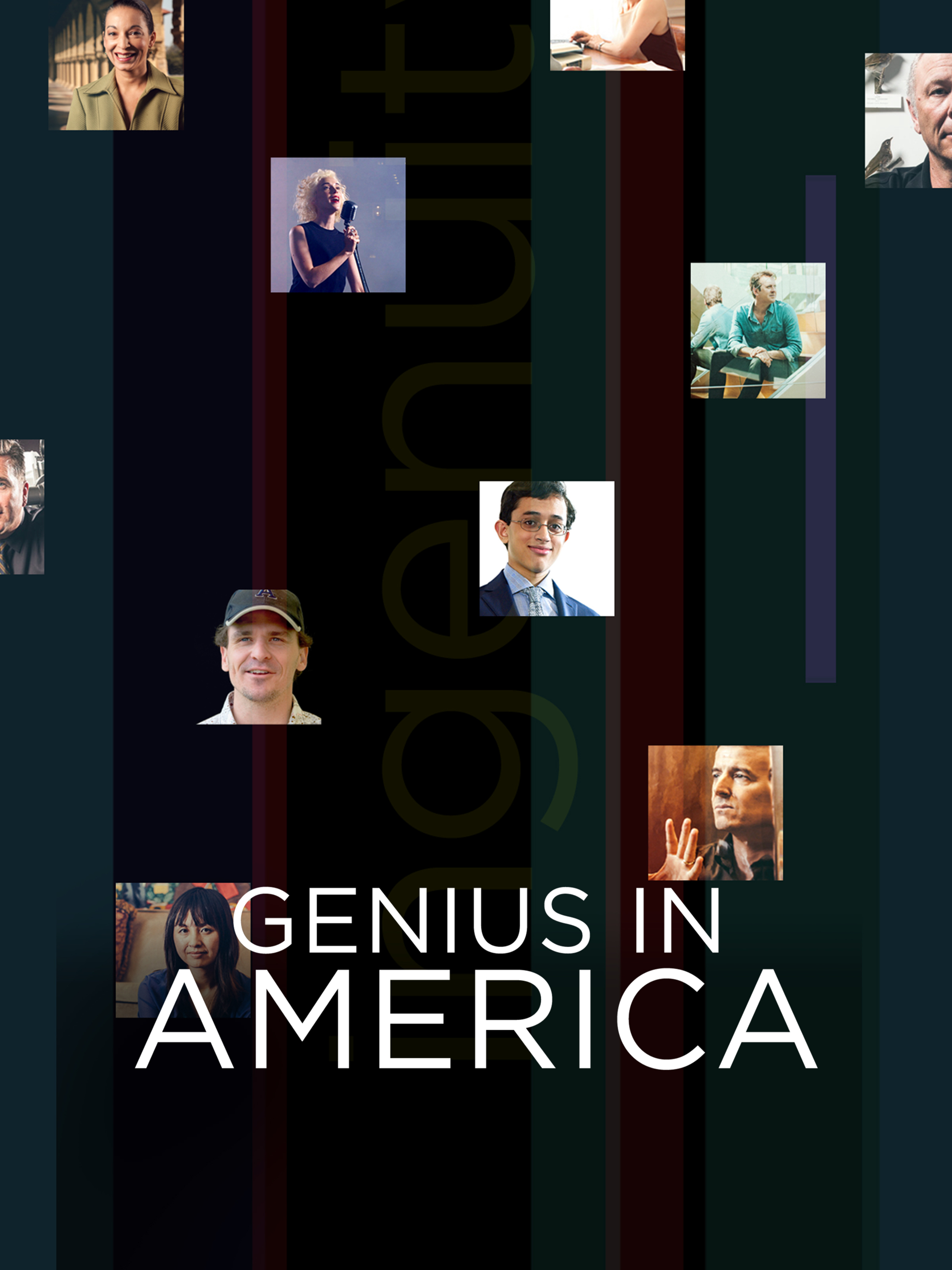
Genius in America
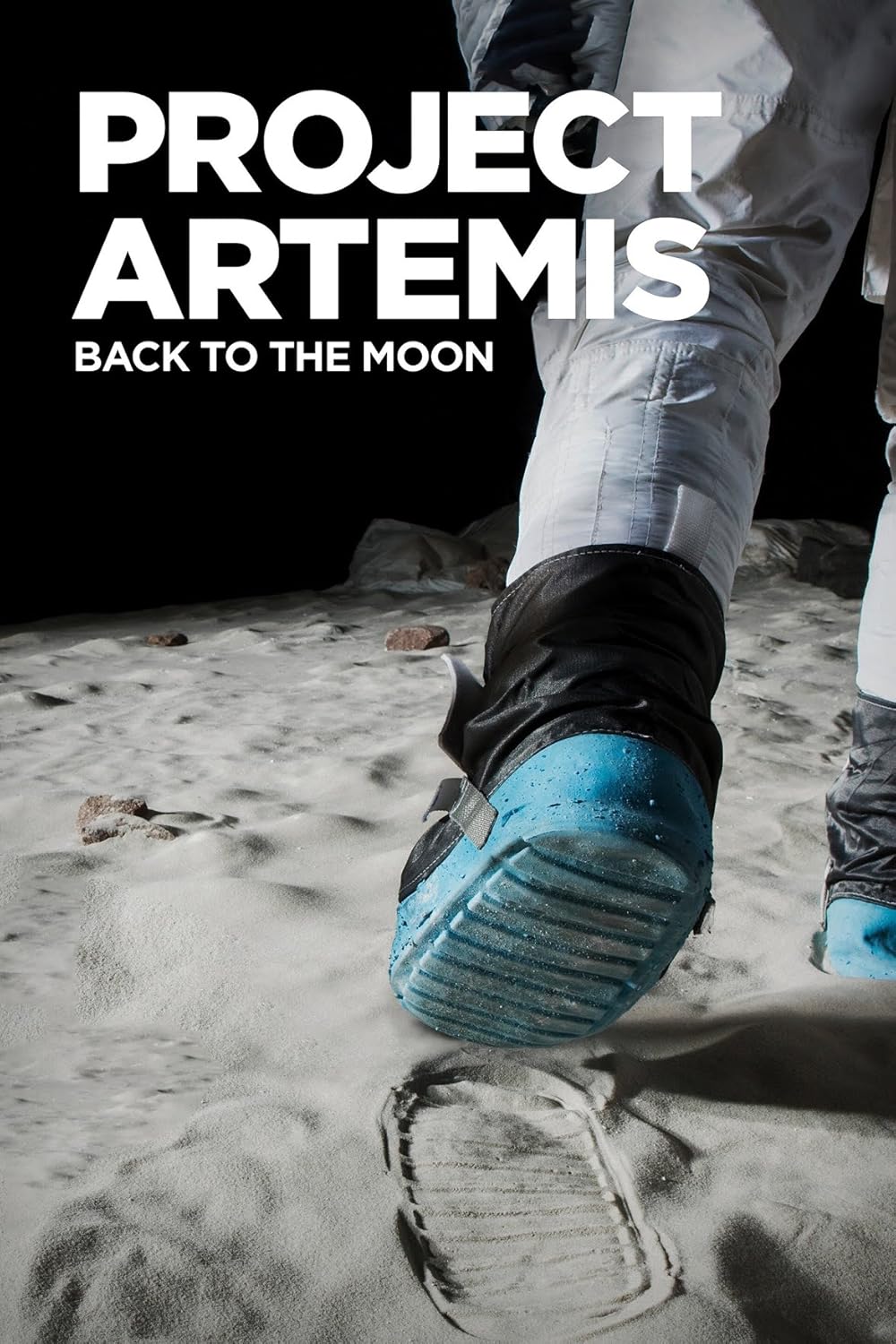
Project Artemis
6-8

the work it took

Show invention as labor. Middle schoolers watch engineers, manufacturing lines, robotics teams, and the astronauts the textbook erased. Innovation stops being a list of products and starts being the people behind every one.
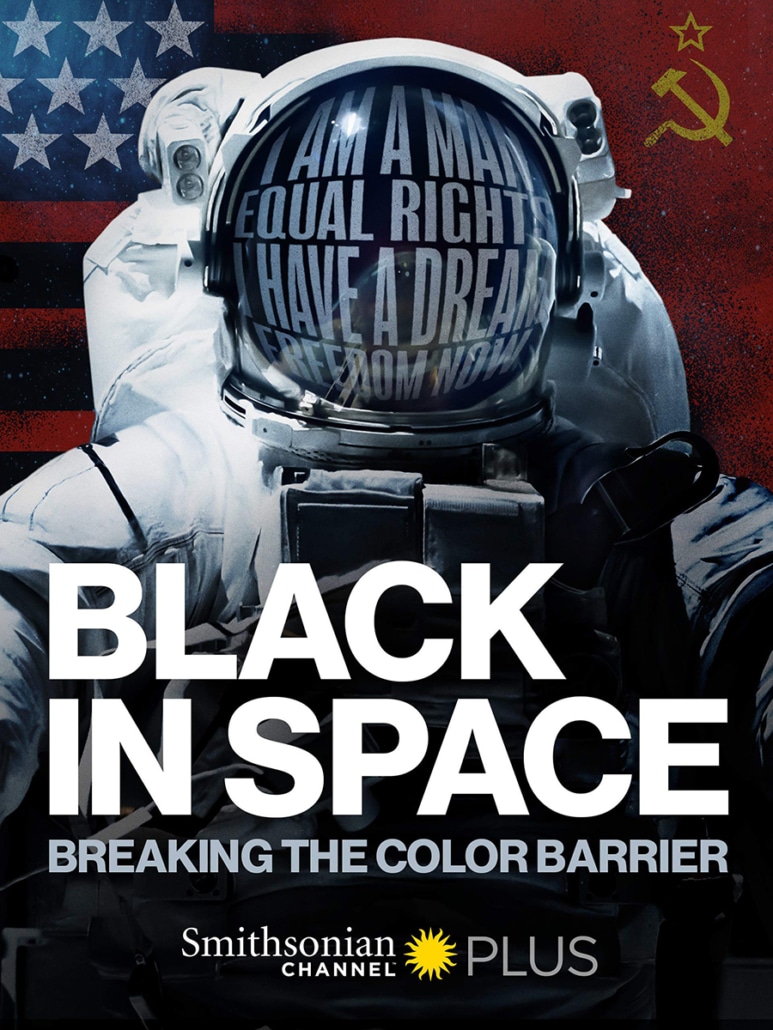
Black in Space: Breaking the Color Barrier
How It's Made: Dream Cars
Spare Parts
9-12

what reaching costs

Show invention with its receipts. High schoolers meet the people behind the products they use, and the trade-offs every one required. A timeline shows what got built; these show what it cost.

The Imitation Game
Steve Jobs
The Social Network
Lesson idea · Grade 6-8 · Black in Space: Breaking the Color Barrier
Black in Space: Breaking the Color Barrier

Civil rights meets the space race.

Use the Smithsonian segment on Robert Lawrence to teach the intersection of civil rights and the space race in 1960s America. After watching, chart Lawrence's 1967 selection against the broader civil rights moment. The activity: in pairs, students research another 1960s figure central to a historical moment but less familiar to most students, then write a one-page biographical entry. Students leave with the habit of looking for the full picture of any era they study.

III

the land before the country.

The Land & Its First Peoples

Before the founders, the land. Before the country, the peoples who knew it. The American story doesn't start in 1776; it starts thousands of years earlier. This chapter holds both: the geography and the reckoning.

K-5

the country, from above

Show kids the land before the borders. From above, the country looks older than any state line. Native characters move from the edge of the story to the center. A textbook map shows borders; these show the people who knew the land first.

Aerial America
Squanto
Pocahontas
6-8

the country, in detail

Anchor the unit in primary sources. Middle schoolers study the rivers, battles, monuments, and nations who knew the land before any state line was drawn. The textbook gives a paragraph; these Smithsonian documentaries give the record.

America's Mississippi
Battle of Little Bighorn
Pocahontas: Beyond the Myth
9-12

the country, with reckoning

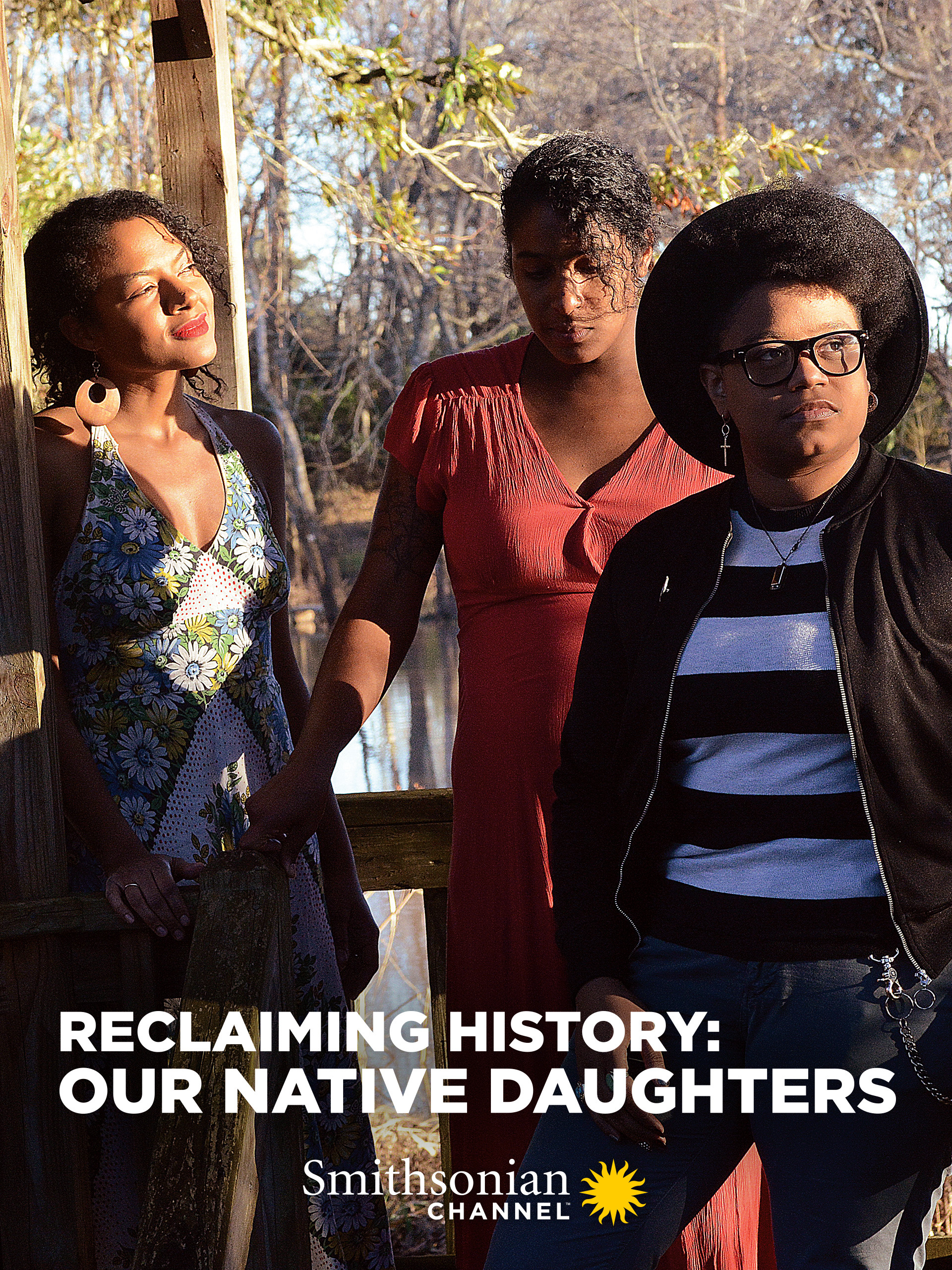
Hand the camera to the people the canon left out. High schoolers meet the West from the other side of the rifle, contemporary Native filmmakers, and the women rewriting the story they inherited. A US history course needs the reckoning; these make it specific.

Smoke Signals
Bury My Heart at Wounded Knee
Reclaiming History
Lesson idea · Grade K-5 · Aerial America
Aerial America

Geography and Indigenous history, mapped together.

Use aerial footage of one state to teach geography and Indigenous history together. Pick a state, watch four minutes, and sketch the topography. Then overlay a map showing which Indigenous nations called that land home before any state border was drawn. The activity: small groups present their two maps and answer one question: what did the land look like before it was a state, and who knew it that way. Students leave with a deeper sense of the history under every U.S. border.

IV

the people who made it.

The People Behind the Country

The country isn't a thing that finished happening. It's a thing individual people keep building. The first arrivals and the newest. Athletes, musicians, organizers, teachers. The kids in a classroom this year deciding what comes next.

K-5

America's many cultures

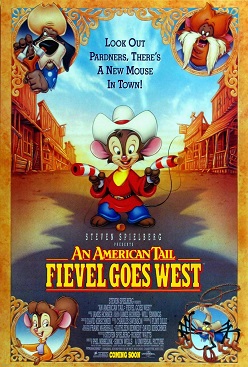
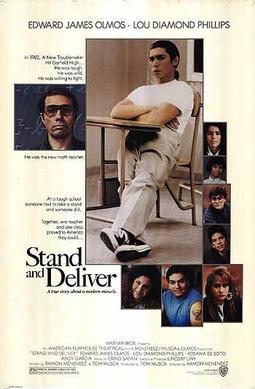
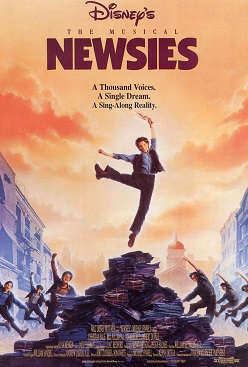
Show kids the many cultures that make America. A long journey to a new home. A teacher who refused to give up on his students. A community of working kids singing to be heard. The country becomes a chorus, not a single voice.

An American Tail
Stand and Deliver
Newsies
6-8

the country, fought for

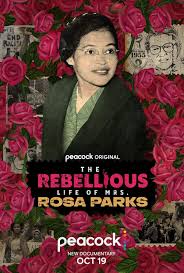
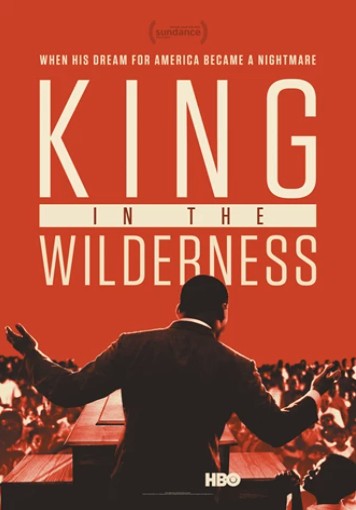
Put middle schoolers in the room with the movement. Civil rights leaders move from monuments to the people their friends knew. Archival footage plays the era's own voices, unfiltered. The textbook gives a paragraph; these give the moment itself.

The Rebellious Life of Mrs. Rosa Parks
King in the Wilderness
The Lost Tapes
9-12

the country, in its own voice

Hand the camera to the communities still making the country. High schoolers meet the music behind a movement, a labor organizer who reshaped American farming, and a neighborhood on its own terms. Contemporary America, narrated by the people still making it.

Let Freedom Sing: How Music Inspired the Civil Rights Movement
Cesar Chavez
In The Heights
Lesson idea · Grade 6-8 · Picturing the Presidents
Picturing the Presidents

Inside a presidential decision.

Use a segment from Picturing the Presidents to teach how the executive branch actually works in a moment of decision. Watch the section on one specific presidential challenge (a Cabinet debate, a treaty negotiation, a crisis response). Students identify the powers the president drew on, the other branches of government involved, and the decision that resulted. The activity: in pairs, students pick a present-day federal issue in the news, identify which branch of government is leading, what powers are in play, and what outcome they predict. Students leave with a working understanding of how the executive branch operates beyond a civics textbook.

And this is just one library.

Swank Streaming supports every other unit, too.

America 250 is one piece of a wider catalog. Four more pathways already live for other subjects.

K-5

Animals & the Natural World

Wonder is what the chapter assumes. Film is what gets them there.

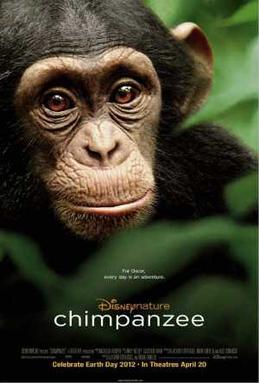
Disneynature: Chimpanzee
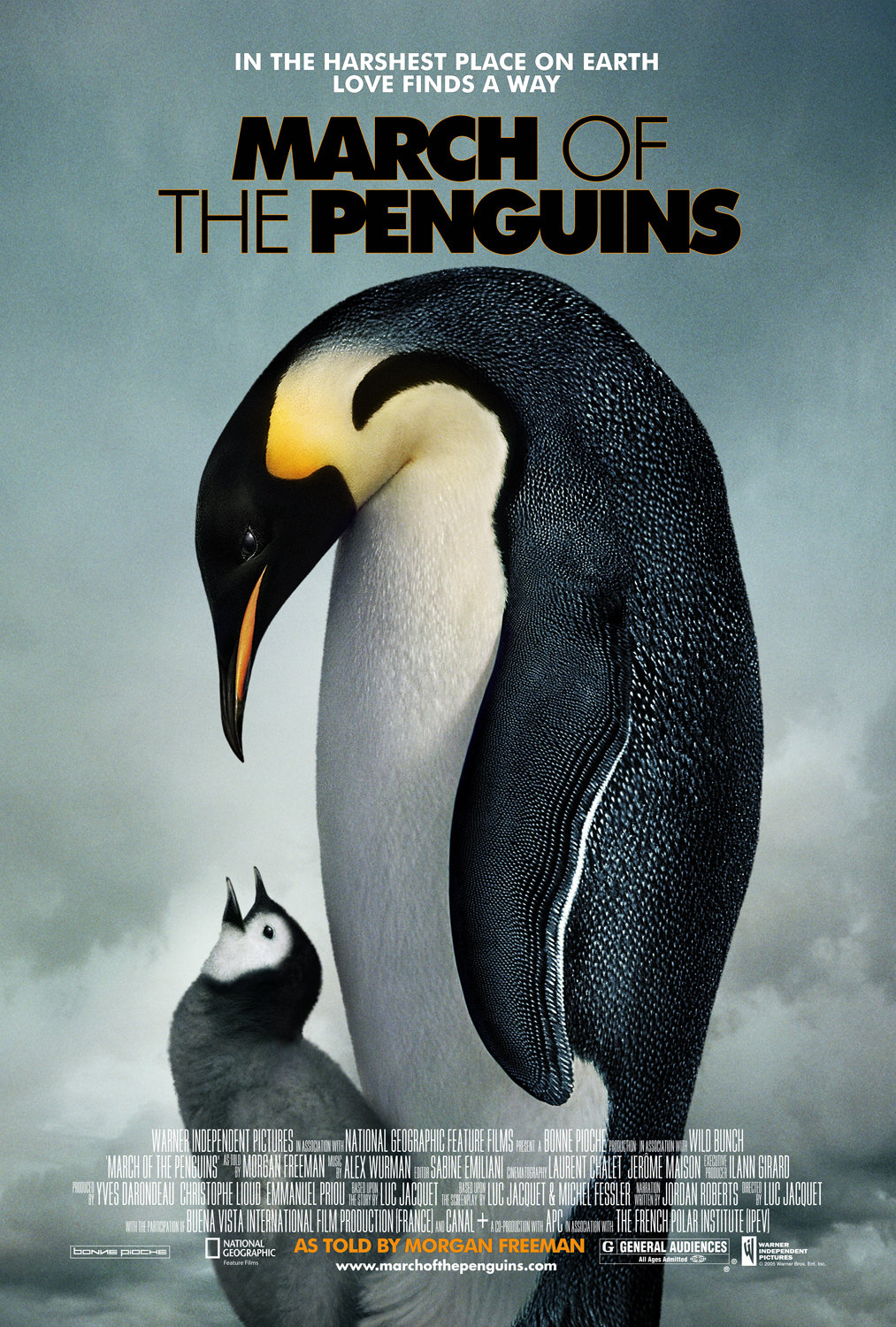
March of the Penguins
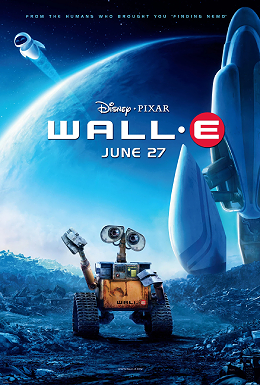
WALL-E
6-8

Earth's Place in the Universe

Space as something they reach for, not a chapter they finish.

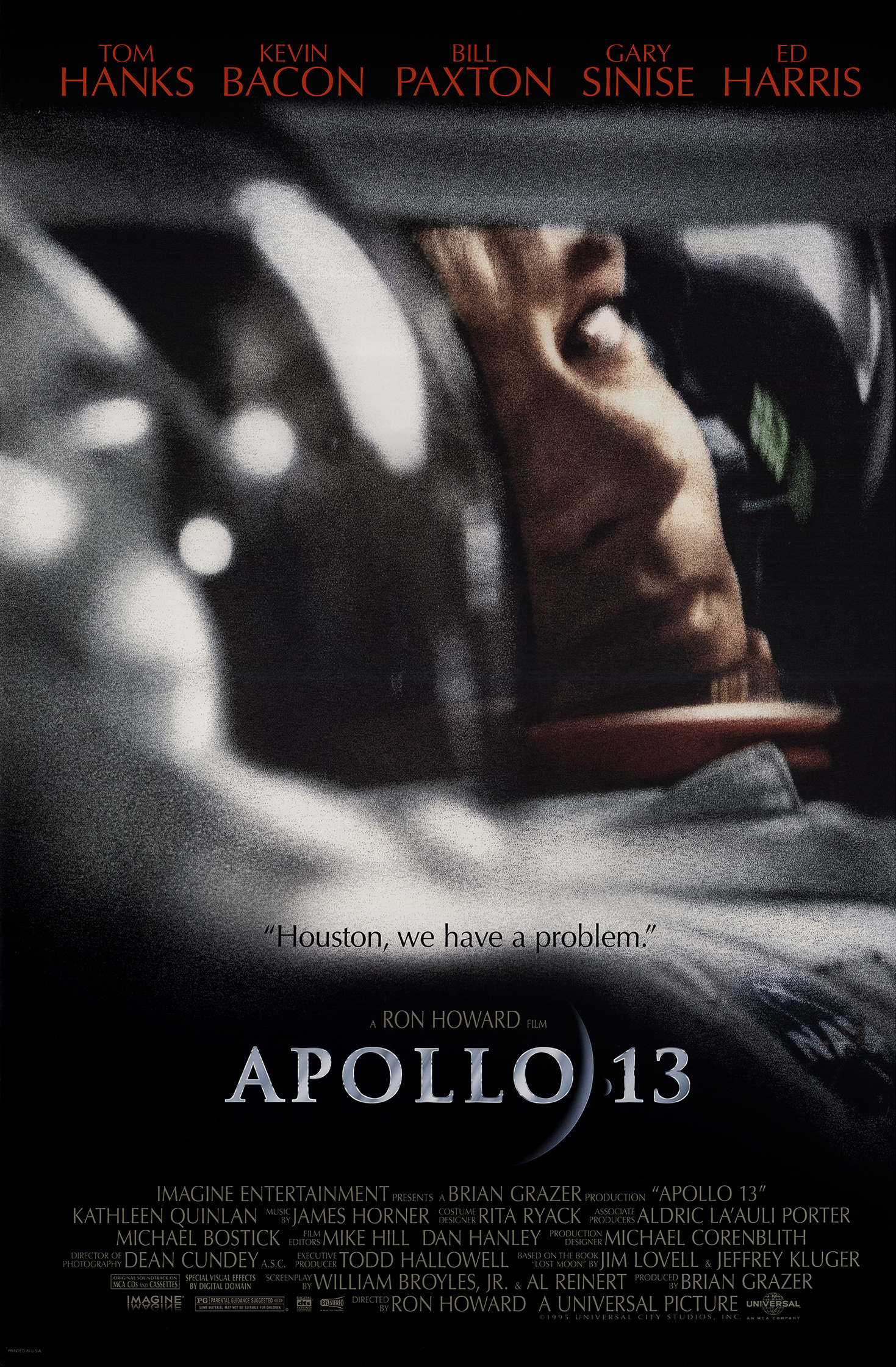
Apollo 13
Hubble
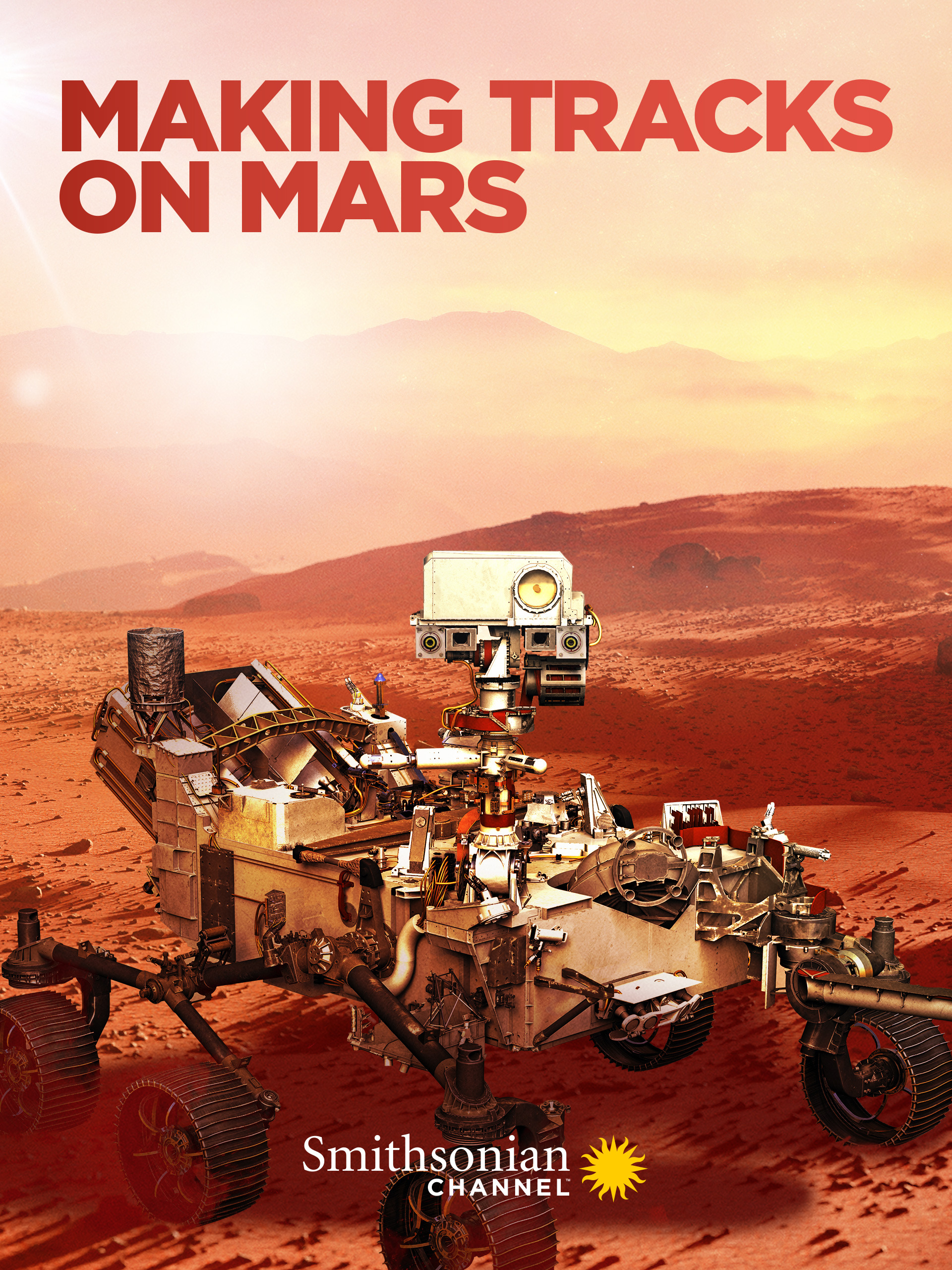
Making Tracks on Mars
6-8

Civil Rights & US History

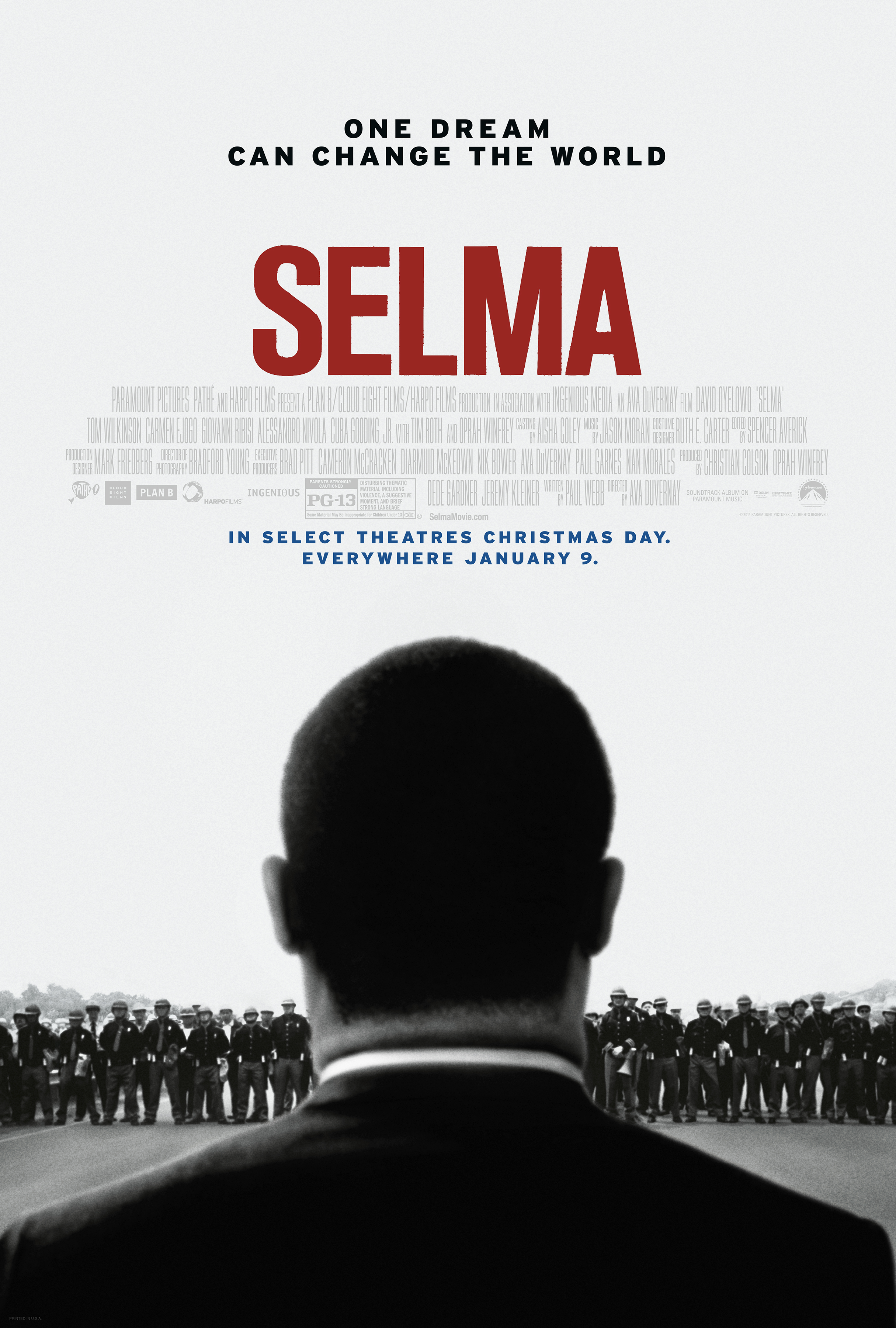
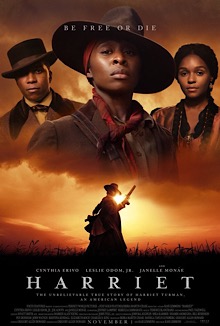
A chapter becomes a series of faces, all of them on the bridge.

Selma
Harriet
America's Hidden Stories
9-12

The Civil War

Where the line was drawn, and what got drawn after it.

Lincoln
Civil War 360
America in Color
America's 250th. One library.

The country didn't tell its own story

in a single film.

Neither does ours.

Explore adding Swank Educational Streaming to your school